Category: Uncategorized

  • 7-Day Morotai Island Itinerary for 2027: Day-by-Day Plan Including Diving, Island Hopping, and

    7-Day Morotai Island Itinerary for 2027: Day-by-Day Plan Including Diving, Island Hopping, and Village Visits
    7-Day Morotai Island Itinerary for 2027: Day-by-Day Plan Including Diving, Island Hopping, and Village Visits

    Key Takeaways

    • Explore unique attractions like Sopi Cape for surfing and WWII history at Army Dock Beach.
    • Visit traditional Korago Village and the serene Bunga Kokota Waterfalls on a diverse Morotai itinerary.
    • Travel during shoulder months for economic benefits and enjoy crowd-free experiences at off-the-beaten-path sites.
    • Access Morotai via flights from Jakarta or Bali, with necessary transits through Manado.


    7-Day Morotai Island Itinerary for 2027

    Discover the charm of Morotai Island with a carefully curated 7-day itinerary for 2027, highlighting unique experiences such as diving amidst WWII wrecks, island hopping to remote sands, and engaging with traditional village life.

    Day 1: Arrival and Historical Exploration

    Begin your Morotai adventure by flying into the island, accessible via transits from Manado (MDC) or Makassar (UPG). On arrival, into the island’s intriguing past with a visit to Army Dock Beach. Known as a strategic WWII military base, the beach is a poignant spot to witness remnants of historical significance while soaking in the serene coastal environment. This beach once served as a key logistical point during the Pacific War, with its vestiges now telling silent stories of bravery and strategy.

    After a reflective start, head to the nearby Air Kaca, an underground river where General Douglas MacArthur found solace during the war. This natural formation offers a tranquil beginning to your week, setting the stage for more adventurous pursuits. As you explore, imagine the general himself taking a moment of respite here amidst the chaos of war. In the evening, enjoy local cuisine at a nearby restaurant, with fresh seafood dishes being a must-try. Delicacies like grilled tuna and the spicy sambal matah will tantalize your taste buds.

    Day 2: Surfing and Waterfalls

    On the second day, gear up for some exhilarating surfing at Sopi Cape. Known for its excellent waves, Sopi Cape attracts surfing enthusiasts looking for less crowded and raw oceanic experiences. Wave heights can reach up to 3 meters during peak conditions, making it suitable for both beginners and seasoned surfers. If you’re a novice, local instructors are available to guide you through the basics. Surfing here is not just about catching waves, but also about appreciating the island’s untouched natural beauty, where the lush green backdrop meets the azure sea.

    In the afternoon, venture to Bunga Kokota Waterfalls, a series of four captivating waterfalls ranging from 4 to 25 meters in height. The trek to these waterfalls offers a moderate challenge, rewarded by refreshing dips in the pools below and the cascade’s soothing ambiance. Each waterfall presents a unique setting; one features a curtain-like cascade perfect for a natural shower, while another offers a tranquil pool ideal for swimming. This immersion into nature provides a perfect counterbalance to the morning’s adventures.

    Day 3: Diving Excursions

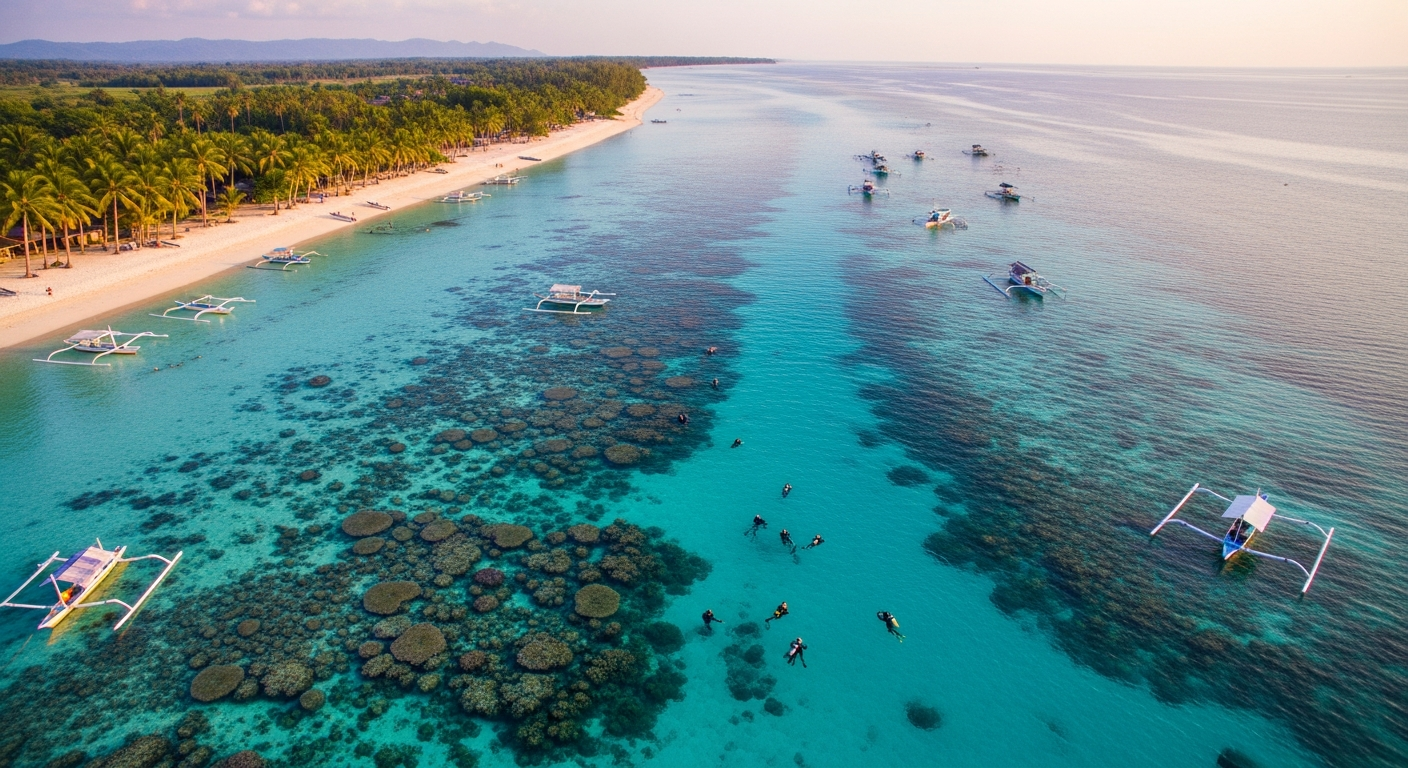
    Morotai is renowned for its diving, boasting at least 28 dive spots where WWII aircraft and warship wrecks lie beneath the ocean’s surface. Spend the day exploring these underwater sites, which are particularly famous for shark sightings. The visibility underwater often exceeds 20 meters, allowing divers to fully appreciate the haunting beauty of sunken relics and lively marine life. Diving here offers a rare glimpse into both history and marine biodiversity, making it a highlight for many visitors.

    For certified divers, packages are available that include multiple dives, with prices typically starting around $150 USD for a day, including equipment rental. Diving operators usually offer a mix of wreck and reef dives to maximize your underwater adventure. For beginners, introductory diving experiences can be arranged, providing an opportunity to safely explore the lively marine environments with expert guidance. These beginner-friendly dives often take place at shallower sites, where colorful coral gardens abound.

    Day 4: Island Hopping Adventure

    The fourth day invites you to explore Morotai’s surrounding islands. Begin with a visit to Pasir Timbul, a sandbar that emerges at low tide, offering a unique photo opportunity. This ephemeral sandbar appears ghostly on the turquoise sea, providing a surreal landscape for avid photographers. Next, journey to Kokoya Island, where crystal-clear waters and lively dock fish await. This island is perfect for snorkeling and capturing the idyllic marine life, with lively coral reefs just a short swim from the shore.

    Continue your island-hopping adventure to Dodola Island, famed for its two islets connected by a sandbar. At low tide, you can walk between the islets, a surreal experience that underscores the natural wonders of the region. The sandbar is especially picturesque at sunrise and sunset, casting golden hues over the surrounding waters. Conclude the day at Batu Kopi on Rao Island, a mysterious stone that emits the aroma of coffee, adding an element of intrigue to your journey. Locals believe the stone’s scent is the island’s mystical qualities.

    Day 5: Village Visits and Cultural Insights

    Engage yourself in local culture with a visit to Korago Island’s traditional village. Here, engage with the community, learning about their way of life, customs, and crafts. The village’s architecture, featuring stilt houses made from bamboo and wood, offers a fascinating insight into sustainable living practices. This visit provides an authentic glimpse into the lives of the island’s residents and offers opportunities to purchase locally made handicrafts such as woven baskets and intricate beadwork.

    Afternoon activities include participating in a cooking class, where you can learn to prepare traditional dishes using local ingredients. This hands-on experience not only enriches your cultural understanding but also allows you to taste the unique flavors that define Morotai’s culinary landscape. Local specialties such as gohu ikan, a tangy fish salad, and papeda, a sago-based dish, are highlights of the culinary workshop.

    Day 6: Relaxation and Leisure

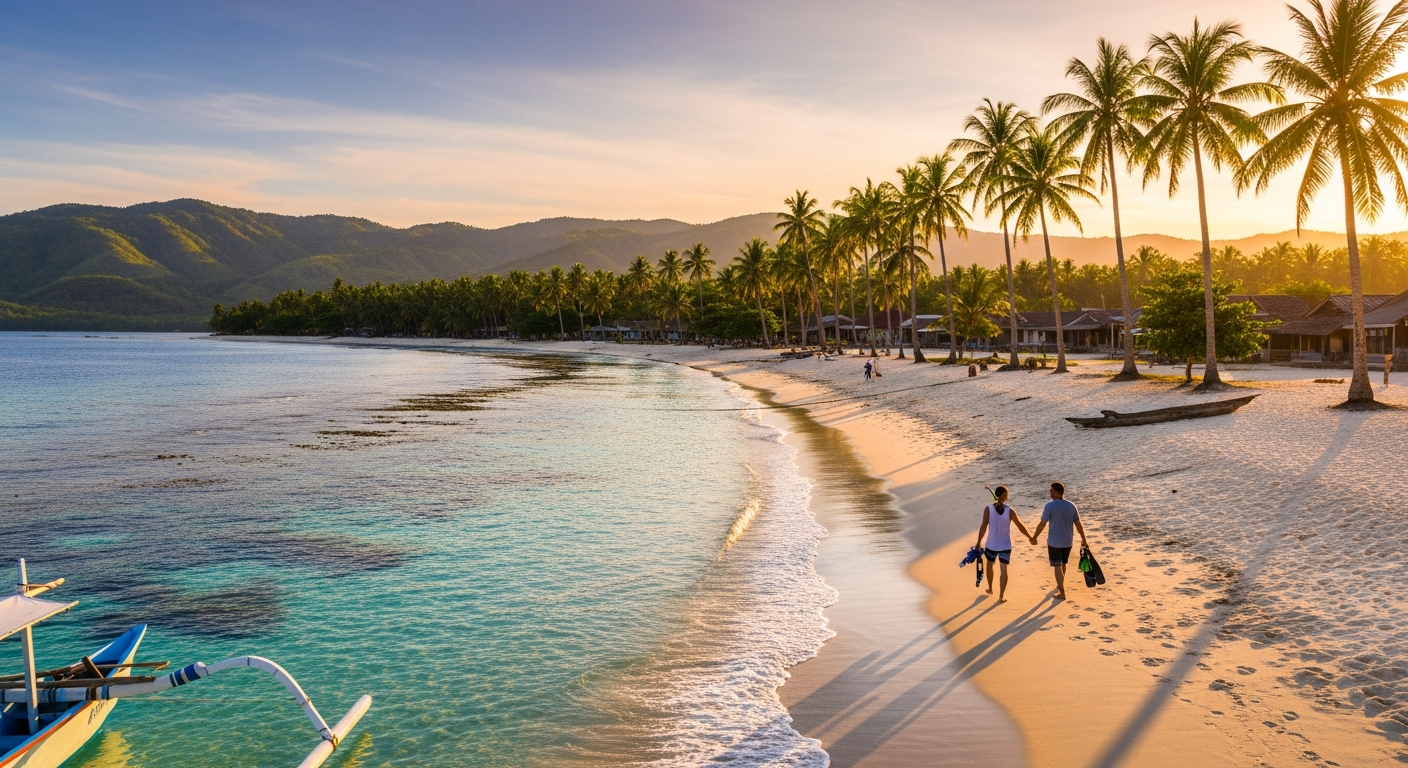
    After several days of exploration, day six is reserved for relaxation. Spend your morning lounging on the white sand beaches, enjoying the calming sounds of the ocean. Beachfront bungalows offer the perfect retreat, where you can unwind under the tropical sun with a refreshing coconut in hand. If you’re inclined for a bit more activity, consider a leisurely hike in the island’s volcanic mountains, offering panoramic views of the surrounding seascape. The trails are well-marked and cater to various fitness levels.

    In the afternoon, you could opt for a massage at a local spa, an experience that combines traditional techniques with modern comforts. Spa treatments often incorporate locally sourced ingredients, such as coconut oil and aromatic spices, for a holistic healing experience. This day of leisure allows you to reflect on your journey and prepare for the final leg of your adventure, rejuvenated and inspired.

    Day 7: Departure and Final Reflections

    As your journey on Morotai Island draws to a close, take the morning to revisit your favorite spots or enjoy in a final shopping spree for local souvenirs. The island’s markets offer a variety of handmade goods, from traditional textiles to unique jewelry, perfect for commemorating your trip.

    Before departing, enjoy a leisurely breakfast at a beachside café, savoring the last of the island’s hospitality and remarkable views. Reflect on the diverse experiences that have defined your week, from the historical depths of WWII sites to the lively culture of local communities. As you make your way to the airport, carry with you the memories of an island that is at once a sanctuary of history, nature, and culture, urging you to return one day.

    FAQs

    Q? What is the best time of year to visit Morotai Island? A: The ideal months to visit Morotai Island are April to June and September to October, which are considered the shoulder seasons. During these periods, the weather is favorable, and travel costs are slightly reduced compared to the high season. Despite being off the beaten path, the island promises a unique experience year-round.

    Q? How can I reach Morotai Island? A: Morotai Island is accessible via flights from Jakarta or Denpasar, requiring a transit in Manado or Makassar. From there, additional local flights or speedboat transfers can be arranged to reach the island. Adequate preparation and coordination with local travel agencies can streamline your journey.

    Q? Are diving experiences suitable for beginners on Morotai Island? A: Yes, while Morotai Island is famed for its advanced wreck diving, there are options available for beginners, including introductory diving courses. These courses are conducted with professional dive instructors to ensure safety and enjoyment. It’s an ideal place to nurture a newfound passion for the underwater world.


    For wider arrangements, our partner baliluxurytransport can coordinate end to end.

    Planning something bigger across Indonesia? A recommended partner is rajaampatyachtcharter.

    Explore all morotaiislandtour.com options and plan your trip.
    See also: Morotai vs. Metita Island Tour: Which Indonesian Destination Offers Better Diving and Beaches in 2027?.

  • Morotai vs. Metita Island Tour: Which Indonesian Destination Offers Better Diving and Beaches i

    Morotai vs. Metita Island Tour: Which Indonesian Destination Offers Better Diving and Beaches in 2027?
    Morotai vs. Metita Island Tour: Which Indonesian Destination Offers Better Diving and Beaches in 2027?

    Key Takeaways

    • Morotai offers diverse attractions: WWII history, surfing, waterfalls, and traditional villages, ideal for adventure seekers.
    • Shoulder months provide affordable travel to Morotai, avoiding crowds due to its remote location.
    • Metita Island’s serene beaches and vibrant reefs attract divers seeking a tranquil, pristine environment.
    • Flights to Morotai require transit but reward with unique attractions like the underground river at Air Kaca.


    Morotaiislandtour – Morotai vs. Metita Island Tour: Which Indonesian Destination Offers Better Diving and Beaches in 2027?

    Choosing between Morotai and Metita for your 2027 diving and beach adventure? Morotai offers historical dives and serene beaches, while Metita shines with lively marine life and diverse underwater landscapes. Both islands promise unique experiences, but your choice depends on whether you prioritize history or biodiversity.

    Introduction to Morotai and Metita Islands

    Morotai Island, part of the North Maluku province, is renowned for its historical significance and unique ecotourism opportunities. Known for its role during World War II, the island features numerous relics from the era, providing history enthusiasts with much to explore. The island’s rugged volcanic mountains and white sand beaches offer a stark contrast to the industrialized environment of urban areas, presenting a tranquil escape.

    Metita Island, often overshadowed by its more famous neighbors, is a notable trove for marine biodiversity. Located within the Wakatobi National Park, Metita offers dive sites teeming with lively coral reefs and an array of marine species. The island is a haven for divers and snorkelers seeking to witness Indonesia’s underwater beauty. Its secluded beaches are perfect for those looking to relax away from crowded tourist spots.

    Diving Opportunities: Morotai vs. Metita

    Morotai is a diver’s haven with an impressive array of dive spots, including sunken World War II aircraft and warships. These sites provide a unique opportunity for wreck diving, a major attraction for divers interested in history and exploration. The waters around Morotai are known for their shark populations, offering thrilling encounters for experienced divers. With at least 28 identified dive spots, Morotai remains a top choice for those seeking historical underwater adventures.

    Conversely, Metita Island offers an diving experience focused on marine biodiversity. The island’s location within the Wakatobi National Park makes it one of the best places to observe coral reef ecosystems. Divers can expect to encounter a plethora of fish species, sea turtles, and lively coral formations. The clarity of the water around Metita enhances visibility, making it ideal for both beginners and experienced divers seeking to explore Indonesia’s marine life.

    Beach Experiences on Morotai and Metita

    Morotai’s beaches, such as Army Dock Beach and Sopi Cape, are not just about sunbathing but also offer a unique glimpse into history. Army Dock Beach, once a military base during WWII, now serves as a serene spot for reflection and relaxation. Sopi Cape, known for its excellent surfing conditions, attracts enthusiasts seeking to ride the waves against a backdrop of natural beauty. The tranquility of these beaches provides an escape from the hustle and bustle of everyday life.

    Metita Island’s beaches are renowned for their notable conditions and seclusion. The island’s remote location ensures that its beaches are less frequented, providing a peaceful retreat. The crystal-clear waters and soft sands make it an ideal spot for sunbathing, swimming, and enjoying a quiet day by the sea. As part of the Wakatobi archipelago, Metita’s beaches offer remarkable views, especially during sunrise and sunset, making it a perfect destination for nature lovers.

    Travel Logistics and Accessibility

    Traveling to Morotai involves a bit of planning due to its remote location in North Maluku. Flights are available from major Indonesian cities like Jakarta and Denpasar, with necessary transits through Manado or Makassar. Despite the distance, the journey is part of the adventure, offering travelers a chance to witness diverse landscapes en route to the island. Speed boat tickets from Daruba to Morotai are reasonably priced at 155,000 IDR (around $10 USD), while private boat charters offer a more personalized experience at approximately 4 million IDR ($250 USD) for a round trip.

    Reaching Metita Island is relatively straightforward, thanks to its proximity to major transport hubs within the Wakatobi National Park. Regular boat services from nearby islands are available, and direct flights to Wakatobi from Jakarta and Bali make it an accessible choice for international and local tourists. The ease of access combined with the island’s natural beauty makes Metita an attractive option for travelers seeking a hassle-free tropical getaway.

    Seasonal Considerations for Visiting

    The ideal time to visit Morotai is during the shoulder months of April to June and September to October. These months offer slightly more favorable conditions in terms of weather and travel costs. Despite being the high season, Morotai remains relatively uncrowded due to its off-the-beaten-track appeal, allowing visitors to enjoy its attractions without the typical tourist rush.

    Metita, with its position within the Wakatobi National Park, enjoys a tropical climate year-round, making it a viable destination at any time. However, the dry season from April to November is often recommended for the best diving conditions, as the waters are clearer and the marine life more active. This period also coincides with the peak travel season, ensuring visitors can take full advantage of the island’s offerings under optimal conditions.

    Cultural and Historical Highlights

    Morotai’s rich history as a strategic military base during World War II is a significant draw for visitors. The island was famously guarded for 30 years by Japanese soldier Teruo Nakamura, adding a unique narrative to its historical notable. Sites like the Air Kaca, an underground river where General Douglas MacArthur once relaxed, provide intriguing glimpses into the past and are must-visit spots for history buffs.

    While Metita may lack the historical depth of Morotai, it compensates with its cultural richness. The local communities within the Wakatobi National Park offer insights into traditional Indonesian lifestyles. Visitors can engage with local customs and participate in cultural events, enhancing their understanding of the region’s heritage. This cultural engagement, combined with the island’s natural beauty, makes Metita a holistic travel destination.

    FAQs

    Q? What are the main differences between diving in Morotai and Metita? A: Morotai is known for its historical wreck diving, with sites featuring WWII relics, whereas Metita offers lively coral reefs and diverse marine life due to its location within the Wakatobi National Park.

    Q? Which island offers more secluded beach experiences? A: Metita Island provides more secluded beach experiences due to its remote location within the Wakatobi archipelago, ensuring fewer tourists and notable beach conditions.

    Q? What is the best time to visit Morotai and Metita Islands? A: The best time to visit Morotai is during the shoulder months of April to June and September to October. Metita is ideal during the dry season from April to November for optimal diving conditions.


    For wider arrangements, our partner baliluxurytransport can coordinate end to end.

    Planning something bigger across Indonesia? Explore curated options at balifasttrackairport.

    Explore all morotaiislandtour.com options and plan your trip.

  • Is July the Best Month to Visit Morotai Island in 2027? Weather, Water Temperature, and Event S


    Is July the Best Month to Visit Morotai Island in 2027? Weather, Water Temperature, and Event Schedule

    July offers warm weather and calm seas for visitors to Morotai Island, an ideal time for exploring the island’s rich history and natural beauty. However, to avoid crowds and save on travel costs, consider visiting during the shoulder months of April to June or September to October instead.

    Weather Conditions in July

    In July, Morotai Island experiences a tropical climate with average temperatures ranging from 26°C to 30°C (79°F to 86°F). This warm temperature is complemented by gentle sea breezes that provide a pleasant atmosphere for outdoor activities. The island sees minimal rainfall during this time, making it one of the drier months, which is perfect for those interested in outdoor explorations.

    The clear skies and warm temperatures make July an excellent month for water sports enthusiasts and beachgoers. However, it’s important to note that the humidity levels can be quite high. Therefore, packing light, breathable clothing and staying hydrated are essential for a comfortable visit. Visitors should also be mindful of sun protection, as the tropical sun can be quite intense during midday hours.

    Besides the weather, July is an excellent time to witness the striking sunsets over the island’s western beaches. Places like Sopi Cape provide perfect vantage points for picturesque views, making it a popular spot among photographers and romantics alike. The longer daylight hours also allow for more time to explore the island’s natural wonders.

    Water Temperature and Marine Activities

    Morotai Island’s waters in July are warm with an average temperature of around 28°C (82°F). This temperature is ideal for diving and snorkeling, providing comfortable conditions for exploring the underwater treasures of the North Maluku region. The island is renowned for its dive spots, featuring sunken WWII aircraft and warships, which attract divers from around the world.

    Shark and wreck diving are particularly popular in Morotai, with at least 28 identified dive spots available. For those looking to explore more of the marine biodiversity, July’s calm seas and clear waters offer excellent visibility. This is also the perfect time for island-hopping to destinations like Pasir Timbul and Dodola Island. These spots are renowned for their notable conditions, crystal-clear waters, and rich marine life, making them must-visit locations for marine adventurers.

    Additionally, for beginners and those seeking a relaxed experience, the shallow waters surrounding Kokoya Island are ideal. Here, even novice snorkelers can encounter colorful fish and corals close to the shore. Equipment rentals are readily available from local vendors, often at affordable rates, ranging from 50,000 to 100,000 IDR ($3 to $7 USD) for a day’s rental.

    Event Schedule in July

    July on Morotai Island is buzzing with local events and cultural activities. While specific events may vary each year, travelers can expect traditional performances and festivals that celebrate the island’s rich history and culture. These events offer unique opportunities to engage with local traditions and enjoy authentic Indonesian cuisine.

    Tour operators, like Morotaiislandtour, often organize tours that coincide with these cultural festivities, providing visitors with a comprehensive experience of both the island’s natural beauty and its lively cultural heritage. It’s advisable to check with local tourism bodies or tour operators for the exact schedule of events in July 2027 to plan your visit accordingly.

    One of the prominent events is the Morotai Cultural Festival, where visitors can witness traditional dances and music performances. The festival also features local artisans showcasing their crafts, providing a fantastic opportunity to purchase unique souvenirs. It’s a lively celebration that underscores the island’s diverse cultural notable.

    Travel Logistics and Costs

    Reaching Morotai Island requires some planning due to its remote location. Flights are available from major Indonesian cities such as Jakarta and Denpasar, with necessary transits in Manado or Makassar. The journey may seem long, but it is an essential part of accessing this unique destination.

    Once on the island, transportation between the main attractions can be arranged with speedboats or private charters. A speedboat ticket from Daruba to Morotai costs approximately 155,000 IDR (around $10 USD), while chartering a private boat for a round trip requires about 4 million IDR (approximately $250 USD). These options offer flexibility in exploring the island at your own pace.

    For those planning extended stays, accommodations range from budget-friendly guesthouses to more upscale beachfront resorts. Prices for accommodations vary widely, with budget options starting at 300,000 IDR ($20 USD) per night, while luxury resorts can go up to 2,000,000 IDR ($130 USD). Advanced bookings are recommended, especially during peak travel periods.

    Tour Highlights

    The 5-day Morotai tour offered by Morotaiislandtour covers several key highlights, including Sopi Cape, a renowned surfing spot, and Army Dock Beach, a location rich in WWII history. These sites provide a blend of adventure and historical intrigue, making them must-visit locations on the island.

    Other notable stops on the tour include Dehegila Cape and Korago Island, where visitors can learn about traditional village life. The Bunga Kokota Waterfalls, with their multiple cascades, offer striking natural beauty, and Air Kaca, an underground river, provides a fascinating glimpse into the island’s unique geology.

    The tour also includes a visit to Air Kaca, known as General MacArthur’s relaxation spot during WWII. This historical site offers a serene environment for reflection, surrounded by lush greenery. It’s a testimony to the strategic importance of Morotai during the war and a highlight for history enthusiasts.

    Shoulder Months vs. High Season

    While July is an excellent time to visit due to favorable weather conditions, travelers should consider the shoulder months of April to June or September to October for a slightly more economic and potentially quieter experience. These months offer similar weather conditions with the added benefit of fewer tourists, providing a more intimate exploration of the island.

    Despite being part of the high season, Morotai remains relatively crowd-free due to its off-the-beaten-track location. This ensures that visitors can enjoy its natural and historical sites without the congestion often found in more popular tourist destinations. Planning your visit during the shoulder months can also lead to cost savings on flights and accommodations.

    Travelers looking to avoid the peak season rates can often find discounted airfare and accommodation deals during the shoulder months. This makes it an attractive option for budget-conscious travelers who still wish to experience the island’s offerings without the hustle and bustle.

    Unique Island Experiences

    Morotai Island boasts several unique experiences that set it apart from typical tourist destinations. One such experience is visiting the remote island of Batu Kopi on Rao Island. The island is famous for its mysterious stone that emits the aroma of coffee despite no coffee plants growing nearby. This intriguing natural wonder is often a conversation starter and a must-see for curious travelers.

    Another unique experience is the sandbar at Pasir Timbul, which emerges during low tide, offering a temporary stretch of notable white sand surrounded by azure waters. It’s a fleeting natural marvel that provides a sense of tranquility and exclusivity to those fortunate enough to visit during the right time.

    For adventure seekers, Morotai offers opportunities for hiking and exploring its volcanic landscapes. The island’s rugged terrain presents challenging yet rewarding trails, with panoramic views of the surrounding sea and neighboring islands. Whether it’s the allure of its beaches, the intrigue of its historical sites, or the warmth of its culture, Morotai promises a unique and memorable experience for every traveler.

    FAQs

    Q? What is the best way to travel to Morotai Island? A: The best way to travel to Morotai Island is by air, with flights available from Jakarta and Denpasar. Visitors must transit through Manado or Makassar before reaching the island.

    Q? Are there any cultural events in July on Morotai Island? A: Yes, July usually features various cultural events and festivals that celebrate the island’s rich history. It’s advisable to check with local tourism authorities for the specific schedule in 2027.

    Q? What are the costs of island hopping around Morotai? A: Island hopping can be done via speedboat or private charter. A speedboat ticket costs about 155,000 IDR ($10 USD), while a private boat charter costs around 4 million IDR ($250 USD) for a round trip.


    For wider arrangements, our partner baliluxurytransport can coordinate end to end.

    See also: What to Pack for Morotai Island in 2027: Essential Clothing and Gear for Tropical Diving and Hiking, Morotai Island Safety Tips for 2027: Water Conditions, Marine Hazards, and Travel Precautions for Visitors · Home.

  • Morotai Island Safety Tips for 2027: Water Conditions, Marine Hazards, and Travel Precautions f


    Morotai Island Safety Tips for 2027

    Explore Morotai Island with confidence by understanding its water conditions, potential marine hazards, and essential travel precautions. This guide offers invaluable insights for a safe and enjoyable adventure in 2027, ensuring your journey through Morotai’s unique destinations is both thrilling and secure.

    Understanding Water Conditions

    Morotai Island, a remote yet accessible destination, boasts a variety of water conditions that cater to different types of tourists. The island’s beaches, such as Army Dock Beach, are known for their historical significance and calm waters, ideal for swimming and snorkeling. However, conditions can vary significantly depending on the season. April to June, and September to October are considered shoulder months, offering slightly calmer seas and more economic travel options.

    During these shoulder months, the waters are generally calm, making it safer for water activities. The high season, though still relatively quiet compared to other tourist destinations, might see slightly choppier waters, especially around Sopi Cape, which is popular among surfers. Visitors should always check local weather forecasts and tidal predictions before engaging in water sports or swimming, as sudden changes can occur. These months also provide an opportunity to explore secluded beaches and enjoy the serene landscapes without the hustle of large tourist crowds.

    In the peak of the high season, travelers can witness the unique interplay of tides that reveal hidden sandbars, such as the one connecting the two islets of Dodola Island. These natural phenomena are not only mesmerizing but also provide additional opportunities for exploration and photography. Regardless of the season, it’s essential to respect the natural environment and adhere to safety guidelines to ensure a responsible and enjoyable visit.

    Marine Hazards to Be Aware Of

    While Morotai Island is renowned for its serene and clear waters, there are certain marine hazards that visitors should be aware of. The island’s 28 identified dive spots are a major draw for divers, particularly those interested in exploring sunken World War II aircraft and warships. Because these spots are frequented by tourists, it is crucial to be aware of the presence of strong currents and marine life such as sharks.

    Although shark attacks are rare, it is advised that divers and swimmers remain vigilant and adhere to guidelines provided by local tour operators. Coral reefs, while beautiful, can also pose risks if disturbed, so maintaining a safe distance is recommended. Additionally, the use of appropriate safety gear, including wetsuits and reef-safe sunscreen, is encouraged to protect both tourists and the marine environment. The presence of jellyfish in certain areas, particularly during warmer months, necessitates additional caution and preparation.

    For those diving into the deeper sites, understanding the history behind these sunken relics adds a layer of intrigue. The remains of naval vessels and aircraft not only serve as a habitat for marine life but also as a reminder of the strategic importance Morotai held during World War II. Responsible diving practices ensure that this underwater heritage is preserved for future generations while allowing divers to engage meaningfully with the past.

    Essential Travel Precautions

    Traveling to Morotai Island requires some planning due to its remote location. Flights are available from major Indonesian cities such as Jakarta and Denpasar, with necessary transits through Manado or Makassar. Visitors should ensure they have the appropriate travel documents and confirm flight schedules in advance to prevent any potential delays.

    Once on the island, transportation can be managed via local ferries or private boat charters. A speed boat ticket from Daruba to Morotai costs approximately 155,000 IDR (around $10 USD), while a private boat for a round trip is about 4 million IDR (approximately $250 USD). It is advisable to book early during the high season to secure transportation and avoid last-minute rushes. Additionally, having a local SIM card can be beneficial for arranging logistics, contacting guides, and accessing real-time updates on ferry schedules.

    Travel insurance that covers adventure activities and medical evacuation is highly recommended due to the island’s remote nature. This ensures that travelers have access to necessary resources in case of unexpected situations, providing peace of mind during their adventure. Familiarizing oneself with local emergency contacts and procedures further enhances preparedness and ensures a safer travel experience.

    Health and Safety in Remote Areas

    Morotai Island’s remote nature requires visitors to take specific health and safety precautions. Medical facilities are limited, so travelers are encouraged to carry a basic first-aid kit and any necessary medications. Vaccinations, such as those for hepatitis A and typhoid, should be up to date before traveling.

    While exploring remote destinations like Pasir Timbul and Kokoya Island, maintaining communication is crucial. Visitors should inform someone of their itinerary and expected return time. Using local guides who are familiar with the area can enhance safety and provide insights into local customs and practices. The presence of wildlife, including monitor lizards and tropical birds, can enrich the experience but requires a respectful distance to ensure safety for both visitors and animals.

    Hydration and sun protection are critical in this tropical climate. Visitors should carry sufficient water and wear appropriate clothing, hats, and sunscreen to protect against the intense sun. This is particularly important during hikes to attractions such as Bunga Kokota Waterfalls, where the trails can be challenging but rewarding, offering remarkable views and a refreshing escape into nature.

    Respecting the Local Culture and Environment

    Morotai Island is home to several traditional villages, such as Korago Island, where visitors can experience local customs and hospitality. It is important to respect local traditions and dress modestly while visiting these areas. Engaging with the local community respectfully can enrich the travel experience and foster cultural understanding.

    Environmental conservation is a priority on the island, and tourists are encouraged to leave no trace. This includes disposing of waste properly, avoiding single-use plastics, and following guidelines for interacting with local wildlife. Conservation efforts help preserve Morotai’s natural beauty for future generations. Participation in beach clean-up events and supporting local conservation initiatives can make a positive impact and contribute to the island’s sustainable development.

    Learning a few basic phrases in Bahasa Indonesia, the national language, can greatly enhance interactions with locals and demonstrate respect for their culture. This simple effort can lead to meaningful exchanges and a deeper appreciation of the island’s rich cultural notable, making the visit more rewarding and memorable.

    Staying Informed and Prepared

    Keeping informed about local news and weather conditions is crucial for a safe visit to Morotai Island. Tourists should register with their embassy and have emergency contact numbers readily available. Staying connected through reliable mobile networks can provide updates on weather conditions and any travel advisories.

    Preparation extends to the packing list as well. Lightweight clothing, suitable footwear for hiking, and protective gear for water activities are recommended. An adapter for electronic devices and a power bank will ensure you stay connected throughout your adventure. Being prepared for sudden weather changes, particularly during the rainy season from November to March, ensures that your plans can adapt without compromising safety and enjoyment.

    Downloading offline maps and travel apps that provide detailed information about Morotai’s attractions and accommodations can also enhance the travel experience. These tools ensure that travelers can navigate the island effectively and discover hidden gems even in areas with limited connectivity, enriching their exploration of Morotai’s diverse offerings.

    FAQs

    Q? What is the best time to visit Morotai Island for optimal weather conditions? A: The best time to visit Morotai Island is during the shoulder months of April to June and September to October. During these periods, the weather is generally pleasant, and the seas are calmer, providing better conditions for water activities.

    Q? Are there any specific health precautions I need to take before traveling to Morotai Island? A: Yes, it is advisable to ensure your routine vaccinations are up to date, including hepatitis A and typhoid. Carrying a basic first-aid kit and any personal medications is also recommended due to the limited medical facilities on the island.

    Q? What safety measures should I take while exploring the dive spots on Morotai Island? A: When exploring the dive spots, it is crucial to dive with a reputable operator who provides safety briefings and equipment. Be aware of local marine life such as sharks, and adhere to all safety guidelines to ensure a secure diving experience.


    For wider arrangements, our partner baliluxurytransport can coordinate end to end.

    See also: 7-Day Morotai Island Itinerary for 2027: Day-by-Day Plan Including Diving, Island Hopping, and Village Visits, What to Pack for Morotai Island in 2027: Essential Clothing and Gear for Tropical Diving and Hiking · Home.

  • What to Pack for Morotai Island in 2027: Essential Clothing and Gear for Tropical Diving and Hi


    Travel Guide to Morotai Island

    For an adventurous journey to Morotai Island in 2027, pack light yet efficiently with essentials focusing on tropical diving and hiking. Prioritize lightweight clothing, diving gear, waterproof bags, and hiking boots to ensure a comfortable and smooth experience while exploring Morotai’s historical and natural wonders.

    Lightweight Clothing for Tropical Climate

    When packing for Morotai Island, it is crucial to prepare for a tropical climate. Average temperatures range from 26°C to 30°C (79°F to 86°F), demanding lightweight and breathable clothing. Opt for cotton or linen shirts, shorts, and dresses to stay cool while exploring. Remember to include a wide-brimmed hat and sunglasses to protect yourself from the sun’s intense rays.

    Morotai’s weather can be humid, especially during the shoulder months of April to June and September to October, which are ideal for travel due to fewer crowds and slightly lower prices. These months offer a unique glimpse of the island’s lush landscapes, with vivid greenery following the wet season. Pack a raincoat or poncho for unexpected tropical showers, particularly if hiking through the island’s rugged terrain to visit the Bunga Kokota Waterfalls or the mystical Air Kaca underground river.

    Essential Diving Gear

    Diving is a major attraction in Morotai, with over 28 identified dive spots offering encounters with sunken WWII relics, sharks, and lively marine life. If you plan to dive, bring your mask, snorkel, and fins. While dive shops on the island provide rentals, having your own gear ensures comfort and proper fit, which is crucial for an enjoyable underwater experience.

    Consider packing a wetsuit to protect against jellyfish and to stay warm during longer dives. Water temperatures typically hover around 27°C (81°F), but some may find prolonged exposure chilly. A waterproof dive logbook and underwater camera are excellent for documenting dives at sites like Dodola Island or sunken ships and aircraft. The diverse marine ecosystem, including encounters with hammerhead sharks and lively coral reefs, further enriches the diving adventure.

    Hiking Boots and Outdoor Gear

    If trekking through Morotai’s volcanic landscapes and visiting sites like Sopi Cape or Dehegila Cape, sturdy hiking boots are essential. These should offer good ankle support and traction to navigate uneven, often slippery terrain. Trekking poles could also be beneficial, especially during hikes to the higher altitudes of the island’s jagged mountains.

    Additional gear includes a daypack with a hydration system to stay hydrated in the tropical heat. A multi-tool, first aid kit, and a flashlight are practical for unforeseen circumstances. Moreover, considering the island’s remote nature, a reliable GPS or offline maps app can be invaluable. Exploring the untouched trails leading to places like Korago Island, where traditional village life offers a cultural immersion, is a rewarding experience.

    Travel and Connectivity Essentials

    While Morotai is off the beaten track, staying connected is often a necessity. Ensure to carry a power bank and universal travel adapter to keep your devices charged, as electricity availability can be sporadic in more secluded areas.

    Local SIM cards are available at airports, and major towns with data packages cost around 100,000 IDR ($7 USD) for a few gigabytes, providing connectivity to ensure communication and navigation throughout your trip. Additionally, download maps and necessary travel documents offline before departure, as coverage may be limited in some remote locales. Internet access in Morotai can be limited, particularly in areas like Batu Kopi on Rao Island, making offline preparation crucial.

    Local Currency and Travel Documents

    Before heading to Morotai, ensure you have enough local currency (Indonesian Rupiah) as ATMs can be sparse, especially outside main towns like Daruba. A speedboat ticket costs 155,000 IDR (approximately $10 USD), and for larger expenditures, like a private boat charter, you might need up to 4 million IDR (around $250 USD).

    Keep a photocopy of your passport and other important documents in a separate location from the originals in case of theft or loss. Visa requirements may vary, so check the latest travel advisories and ensure your passport is valid for at least six months beyond your planned departure. The remoteness of Morotai makes it essential to be well-prepared, especially if you plan to visit during the high season when resources may be limited.

    Health and Safety Precautions

    Staying healthy while traveling in Morotai involves a few key preparations. Include a high-SPF sunscreen and insect repellent in your packing list to protect against sunburn and mosquito-borne diseases. It’s wise to consult with your healthcare provider regarding vaccinations or medications for travel to Indonesia.

    Consider travel insurance that covers diving and hiking activities. This provides peace of mind in the event of medical emergencies. Lastly, familiarize yourself with local emergency numbers and healthcare facilities available in Morotai, ensuring prompt access to assistance if needed. The island’s remote medical facilities may not be as comprehensive as those in larger Indonesian cities, so emergency planning is crucial.

    Exploring Local Cuisine and Culture

    Indulging in Morotai’s local cuisine is a delightful experience, offering a taste of North Maluku’s unique flavors. Seafood is a staple, often freshly caught and prepared with local spices. Try dishes like Grilled Cakalang (skipjack tuna) for an authentic culinary adventure. Street-side eateries in Daruba offer meals for as little as 50,000 IDR ($3 USD), providing both affordability and flavor.

    Besides food, Morotai boasts a rich cultural heritage. Visiting traditional villages such as those on Korago Island offers insight into indigenous customs and crafts. Handicrafts made by local artisans, like woven goods and carvings, make for meaningful souvenirs. The cultural fabric of the island is woven with tales of WWII history, including the intriguing story of Japanese soldier Teruo Nakamura, adding depth to its tourism allure.

    FAQs

    Q? What are the best months to travel to Morotai Island?

    A: The optimal times to visit Morotai Island are during the shoulder months of April to June and September to October. These months offer slightly more economic travel options and fewer crowds while maintaining favorable weather conditions.

    Q? What diving opportunities are available on Morotai Island?

    A: Morotai Island is renowned for its diving spots, including those featuring sunken WWII aircraft and warships. The island offers unique shark diving experiences and a diverse array of marine life, making it a top destination for wreck and marine enthusiasts in the North Maluku region.

    Q? What is the recommended mode of travel to reach Morotai Island?

    A: Travelers can access Morotai via flights from Jakarta (CGG) or Denpasar, Bali (DPS), with transits through Manado (MDC) or Makassar (UPG). From there, local transport options, including speedboats, are available to reach Morotai, with ticket prices costing approximately 155,000 IDR ($10 USD) for a one-way journey.


    For wider arrangements, our partner baliluxurytransport can coordinate end to end.

    See also: Morotai vs. Metita Island Tour: Which Indonesian Destination Offers Better Diving and Beaches in 2027?, 7-Day Morotai Island Itinerary for 2027: Day-by-Day Plan Including Diving, Island Hopping, and Village Visits · Home.

  • 7-Day Morotai Island Itinerary for 2027: Day-by-Day Plan Including Diving, Island Hopping, and


    7-Day Morotai Island Itinerary for 2027

    Explore the rich historical and natural beauty of Morotai Island with our 7-day itinerary, featuring diving adventures, island hopping, and traditional village visits. This plan includes visits to key attractions such as Sopi Cape, WWII sites, and the unique Air Kaca, ensuring a memorable and comprehensive exploration of this North Maluku gem.

    Day 1: Arrival and Exploration of Daruba

    Upon arrival at Morotai, after connecting flights through Manado or Makassar, travelers will land at the island’s access point, the city of Daruba. This day is dedicated to settling in and exploring local attractions such as the Army Dock Beach, which served as a strategic military base during World War II. The remnants of bunkers and combat installations provide an evocative glimpse into the island’s wartime past, offering a unique backdrop for visitors interested in history.

    In the evening, enjoy a local seafood dinner by the beach. Freshly caught fish, prawns, and squid are specialties, often grilled and served with rice and sambal for an authentic taste of Indonesian cuisine. Accommodation in Daruba ranges from budget-friendly guesthouses to mid-range hotels, ensuring a comfortable stay for all visitors.

    Day 2: Diving and WWII Relics

    Day two focuses on diving adventures, exploring some of Morotai’s 28 dive spots. The island is renowned for its WWII wreck diving, with sunken aircraft and warships dotting the underwater landscape. These sites are particularly known for encounters with sharks, including blacktip and whitetip reef sharks, and lively marine life, making it a diver’s delight. Dive operators in the area offer equipment rentals and guided tours, with prices starting around $50 USD for a single dive.

    After a morning of diving, spend the afternoon visiting Air Kaca, an underground river where General MacArthur is said to have relaxed. The cool, clear waters provide a serene atmosphere, perfect for a reflective pause in the journey. Evening options include a relaxed dinner in Daruba, sampling more local delicacies such as sago pancakes or spicy tuna.

    Day 3: Sopi Cape and Bunga Kokota Waterfalls

    Travelers will head to Sopi Cape, a popular surfing spot known for its excellent waves and scenic views. This location attracts surfers from around the region, offering an exciting day for both beginners and experienced surfers. Equipment rental and surfing lessons can be arranged at local shops, with sessions costing approximately $20 USD for a two-hour lesson.

    In the afternoon, visit the Bunga Kokota Waterfalls, which consist of four distinct falls ranging from 4 to 25 meters. The cascading waters create a refreshing oasis amidst the lush greenery. The area is perfect for nature walks and picnicking, with local guides available to share stories of the flora and fauna. This day combines adventure and relaxation, showcasing the diverse natural beauty of Morotai.

    Day 4: Island Hopping Adventure

    The fourth day is dedicated to island hopping, starting with a speedboat ride to nearby islands. A ticket from Daruba to Morotai is priced at approximately $10 USD. The journey includes stops at Pasir Timbul, a striking sandbar that emerges during low tide, and Kokoya Island, known for its crystal-clear shores and lively dock fish, where snorkeling is a popular activity.

    Continue to Dodola Island, where two islets are connected by a sandbar that can be crossed on foot during low tide. This unique feature offers a remarkable walking experience between the islands. Conclude the day with a visit to Batu Kopi on Rao Island, famous for the mysterious coffee scent emanating from its stones, a phenomenon that has intrigued visitors and locals alike for centuries.

    Day 5: Cultural Experience in Korago Island

    Engage in the local culture with a visit to Korago Island, home to traditional villages. Here, visitors can participate in cultural activities such as weaving demonstrations and traditional dance performances. Learn about the customs and daily life of the islanders, and perhaps try your hand at crafting local handicrafts. This interaction provides a deeper understanding of the rich cultural heritage of Morotai and its people.

    Afternoon activities include exploring local markets and sampling traditional snacks like fried banana and cassava chips. The hospitality of the villagers is a highlight of this day, as they warmly welcome visitors and share their stories and traditions, offering insights into the island’s way of life.

    Day 6: Exploration of Dehegila Cape and Relaxation

    On the sixth day, explore Dehegila Cape, known for its striking coastal landscapes. The area is ideal for photography and nature walks, offering panoramic views of the surrounding ocean and the chance to spot sea eagles and other wildlife. Visitors can take a leisurely stroll along the cliffs and enjoy the refreshing sea breeze, with picnic spots available for a scenic lunch.

    As the day winds down, relax and unwind at a local beachfront resort. Enjoy a sunset dinner by the water, savoring grilled seafood and tropical fruits such as mango and papaya. Reflect on the week’s adventures and experiences in the tranquil setting, a peaceful conclusion to an action-packed itinerary.

    Day 7: Departure and Reflections

    The final day marks the end of the Morotai adventure. Depending on flight schedules, there may be time for a morning visit to final local attractions or a relaxing breakfast overlooking the beach. The journey back includes flights with connections through Manado or Makassar, returning visitors to Jakarta or Denpasar. Keep in mind that the total travel time, including layovers, can range from 6 to 8 hours.

    Reflect on the diverse experiences, from historical insights and cultural interactions to natural wonders and underwater adventures. Morotai Island offers a unique blend of attractions that make for a rich and fulfilling travel experience, leaving visitors with memories to cherish long after their journey ends.

    Day 8: Adventure to the Volcanic Mountains

    For adventurers with an extra day to spare, a trek to the jagged volcanic mountains of Morotai is a must. These mountains are part of the dramatic landscape that defines the Halmahera group of islands. Hikers can explore trails that wind through dense forests and past bubbling hot springs, with guided tours available for approximately $75 USD per person.

    The unique biodiversity of the region offers opportunities to spot rare bird species and endemic flora. This adventure not only showcases the rugged beauty of Morotai’s interior but also provides an exercise in endurance and exploration. Returning to Daruba, travelers can celebrate their ascent with a hearty meal at a local restaurant, sharing stories of the day’s challenges and triumphs.

    FAQs

    Q? What is the best time to visit Morotai Island? A: For ideal weather and fewer crowds, consider visiting during the shoulder months of April to June and September to October. These months offer pleasant conditions and more economical travel options.

    Q? How can I get to Morotai Island? A: Morotai is accessible via flights from Jakarta and Denpasar, with necessary transits through Manado and/or Makassar. The overall travel time from Jakarta or Bali, including transits, is approximately 6-8 hours.

    Q? What is the cost of island hopping in Morotai? A: A speed boat ticket from Daruba to Morotai costs approximately 155,000 IDR (around $10 USD), while a private boat charter for a round trip is priced at about 4 million IDR (approximately $250 USD).


    For wider arrangements, our partner baliluxurytransport can coordinate end to end.

    See also: Morotai Island Flight Costs in 2027: Cheapest Months to Fly from Australia and Price Breakdown, Morotai vs. Metita Island Tour: Which Indonesian Destination Offers Better Diving and Beaches in 2027? · Home.

  • Morotai vs. Metita Island Tour: Which Indonesian Destination Offers Better Diving and Beaches i


    Morotaiislandtour: Morotai vs. Metita Island Tour

    For divers and beach lovers considering a trip in 2027, the choice between Morotai and Metita Islands in Indonesia offers diverse experiences. While Morotai is rich in WWII history and features unique dive sites like sunken aircrafts, Metita Island is known for its serene beaches and marine biodiversity.

    Travel Logistics to Morotai and Metita

    Morotai Island, situated in the Halmahera group of North Maluku, is accessible via flights from Jakarta (CGG) and Denpasar, Bali (DPS), with necessary transits through either Manado (MDC) or Makassar (UPG). The journey can be quite the adventure, taking travelers through various parts of Indonesia while ultimately landing in a remote and historically rich destination. It’s worth noting that the flights may vary in cost, often ranging from $150 to $300 USD depending on the season and booking time, emphasizing the importance of planning ahead.

    On the other hand, Metita Island, part of the Togian Islands, can be reached via a flight to Palu Airport (PLW) followed by a boat ride from Wakai. The boat trip offers a scenic start to your island adventure, with costs generally around $15-30 USD for a one-way ticket. While both destinations require some planning, the routes to Morotai offer a deeper Indonesia’s aviation history and broader access to other regional attractions, making it an appealing choice for history enthusiasts.

    Diving Experiences: Wrecks and Reefs

    Morotai Island is a diver’s dream, boasting 28 identified dive spots teeming with marine life and fascinating wrecks. Divers can explore sunken WWII aircrafts and warships, making it a top spot for shark and wreck diving enthusiasts. The clear waters provide excellent visibility, adding to the unique underwater experience that Morotai offers. The cost for diving expeditions typically ranges from $50 to $100 USD, depending on the dive operator and package inclusions.

    In contrast, Metita Island offers a different type of diving, focusing more on coral reefs and biodiversity. It’s an excellent location for those interested in exploring lively marine ecosystems and enjoying the tranquility of less frequented dive spots. Coral gardens are plentiful, and visitors can often spot species such as nudibranchs, turtles, and various reef fish. Each site presents a unique offering, catering to varying preferences of diving adventures, with costs generally aligning with those on Morotai.

    Beach Attractions and Island Hopping

    Morotai’s beaches are not only about sun and sand but also come with a dose of history. Army Dock Beach, once a WWII military base, invites visitors to reflect on the past while enjoying the present beauty of the coastline. Sopi Cape is another favorite, especially for surfing enthusiasts, offering thrilling waves and a striking backdrop. The waves are best from July to October, coinciding with the surf season.

    Other notable spots include Pasir Timbul, a sandbar that tantalizes visitors with its temporary nature, and Dodola Island, where low tides reveal a sandbar connecting two islets. This phenomenon is best experienced during the dry season when tides are most predictable, making for a memorable walking adventure.

    Metita Island, however, is more about serenity and untouched beauty. The beaches here are relatively quiet and less commercialized, providing a peaceful retreat for those seeking relaxation. Island hopping around Metita includes visits to secluded spots that emphasize natural beauty over historical significance. The cost of boat tours around the islands generally ranges between $20 to $40 USD, offering an affordable way to explore the region.

    Ecotourism and Local Culture

    Morotai stands out not only for its natural attractions but also for its rich historical and cultural contexts. Visitors can explore sites like the Bunga Kokota Waterfalls, which range from 4 to 25 meters in height, and the Air Kaca, an underground river where the famed General Douglas MacArthur once relaxed. This site is often included in cultural tours that cost around $30 USD per person. The story of Teruo Nakamura, a Japanese soldier who lived undetected on the island for 30 years after WWII, adds a unique narrative to the island’s history, drawing history buffs and curious travelers alike.

    For those visiting Metita, the focus is more on local culture and sustainable tourism. The island encourages engagement with local communities and offers opportunities to experience traditional Togian Island living, providing a more immersive cultural experience than the historically driven Morotai. Visitors often participate in cultural exchanges and workshops, typical costs for which hover around $25 USD per session.

    Best Times to Visit

    Travelers considering a trip to Morotai should plan their visits during the shoulder months of April to June and September to October. These times offer more economical travel options while avoiding the peak season crowds that, even at their height, remain manageable due to Morotai’s off-the-beaten-track allure. Visitors can expect pleasant weather, with average temperatures ranging from 25 to 30°C (77 to 86°F), providing ideal conditions for beach activities and exploration.

    In contrast, Metita Island sees a more consistent flow of visitors throughout the year, with slightly higher activity during the dry season from May to October. The climatic conditions during these months are ideal for both diving and beach activities, ensuring an enjoyable experience for all visitors. However, it’s important to note that monsoon season, from November to April, can bring heavy rainfall, affecting travel plans and activities.

    Costs and Accessibility

    Traveling to Morotai can be done on a budget. A speed boat ticket from Daruba to Morotai costs approximately 155,000 IDR, or about $10 USD, making it accessible for budget travelers. For those seeking a more private experience, a round-trip charter boat from Daruba is available for around 4 million IDR, approximately $250 USD. These prices are typical throughout the year, with slight increases during festive seasons like Eid or Christmas.

    Metita Island, while also accessible, might incur additional costs due to its remote nature and the necessity of boat transfers from the main Togian Islands. However, the costs are generally comparable to those of Morotai, with options available to suit different budget preferences. Visitors should budget additional funds for local lodgings and meals, which typically range from $5 to $50 USD per day, depending on the level of luxury desired.

    Historical Insights and War Relics

    Morotai Island is steeped in history, especially from the World War II era, offering a unique insight into the past through its numerous war relics. The island served as a strategic military base during the war, and relics from this period are scattered throughout the island. One such site is the Army Dock Beach, where remnants of military equipment can still be seen today. These artifacts provide a poignant reminder of the island’s significant role during WWII.

    The island is also famous for the intriguing tale of Japanese soldier Teruo Nakamura, who remained in hiding on the island for nearly 30 years after the war had ended. His story is the island’s dense jungles and remote location, which contributed to his long-term survival. Tours focusing on these historical aspects are available and can range from $20 to $50 USD, offering a comprehensive exploration of the island’s wartime past.

    FAQs

    Q? What are the main attractions on Morotai Island? A: Morotai Island offers a unique combination of WWII historical sites, including Army Dock Beach, and natural attractions like Bunga Kokota Waterfalls and Air Kaca. It’s also renowned for its exceptional diving spots with sunken WWII relics.

    Q? How can I get from Jakarta to Morotai? A: Travelers can fly from Jakarta (CGG) to Morotai with a required transit through either Manado (MDC) or Makassar (UPG). The journey offers an insightful tour through Indonesia’s diverse regions before landing on Morotai.

    Q? What makes Metita Island a unique destination? A: Metita Island is celebrated for its tranquility and natural beauty, offering serene beaches and lively coral reefs. It focuses more on providing a peaceful retreat and an opportunity to engage with local cultures in the Togian Islands.


    For wider arrangements, our partner baliluxurytransport can coordinate end to end.

    See also: How to Plan a Morotai Island Tour in 2027: Step-by-Step Trip Checklist for First-Time Visitors, Morotai Island Flight Costs in 2027: Cheapest Months to Fly from Australia and Price Breakdown · Home.

  • Morotai Island Flight Costs in 2027: Cheapest Months to Fly from Australia and Price Breakdown


    Morotai Island Flight Costs in 2027

    In 2027, flying from Australia to Morotai Island can be affordable if you plan your travel during specific months. With a strategic travel plan, especially during shoulder seasons, you can enjoy a budget-friendly trip to this unique ecotourism destination. Here is a detailed guide to Morotai Island flight costs, the cheapest months to fly, and a breakdown of prices.

    Cheapest Months to Fly from Australia to Morotai Island

    When planning your trip to Morotai Island from Australia, timing is crucial. The shoulder months of April to June and September to October present an ideal combination of pleasant weather and reduced airfare. Unlike the peak travel months, these times offer more competitive rates as airlines seek to fill seats post-holiday and pre-holiday seasons.

    April to June sees the transition from wet to dry seasons in Indonesia, providing ideal conditions for outdoor activities like surfing at Sopi Cape or visiting Army Dock Beach. Similarly, September to October marks the end of the dry season, with mild weather suitable for exploring places like Dehegila Cape and Korago Island. During these months, the average cost for a round-trip flight could range between $700 and $900, depending on the point of departure in Australia. Moreover, these months offer less crowded attractions, allowing travelers to experience the serene beauty of Morotai without the hustle of tourist crowds.

    Flight Routes and Transit Points to Morotai

    When flying to Morotai Island, understanding the most efficient routes can aid in reducing costs. The main international airports in Australia offering flights to Indonesia are Sydney (SYD), Melbourne (MEL), and Brisbane (BNE). Travelers will need to fly to either Jakarta (CGK) or Denpasar, Bali (DPS), with onward connections via Manado (MDC) or Makassar (UPG) to reach Morotai.

    Flights from Australia to Jakarta or Denpasar typically range from $400 to $600. From there, domestic flights from Jakarta to Manado or Makassar can cost around $150 to $250. The final leg from these transit points to Morotai’s provincial airport, Pitu (OTI), usually costs an additional $100 to $150. Factoring in layovers, the total travel time can range between 15 to 20 hours, making efficient scheduling essential. Travelers should also consider potential overnight stays in transit cities, adding another dimension to the journey that might require additional budget considerations.

    Price Breakdown of Flights

    The cost of flights to Morotai Island can be significantly influenced by booking times and class choices. Economy class offers the most affordable option, with prices for the entire journey potentially dropping as low as $700 during the off-peak seasons. Premium economy or business class can cost between $1,200 and $2,500, depending on the time of booking and airline.

    Early bookings can lead to savings, with flights booked six months in advance often being 15% to 20% cheaper than last-minute reservations. Airlines such as Garuda Indonesia, Lion Air, and Batik Air frequently adjust their prices, offering deals that can further reduce the cost of travel to Morotai Island. Utilizing flight comparison websites and setting fare alerts can also be an effective strategy to secure the best rates for the desired travel dates.

    Activities and Attractions in Morotai

    Morotai Island offers a rich notable of historical and natural attractions. The 5-day tour includes visits to sites like Sopi Cape, known for its excellent surfing conditions; Army Dock Beach, a site laden with WWII history; and Dehegila Cape, which offers scenic vistas of the island’s rugged terrain.

    For those interested in cultural experiences, Korago Island presents an opportunity to explore a traditional village, while the Bunga Kokota Waterfalls, spanning four sites with heights ranging from 4 to 25 meters, offer remarkable views. The unique Air Kaca, an underground river, is a significant historical site where General MacArthur once relaxed. These destinations not only offer historical insights but also provide ample opportunities for photography and nature walks, ensuring a well-rounded experience for visitors.

    Economic Travel and Budget Considerations

    Travel expenses to Morotai Island can be managed by opting for budget-friendly accommodations and transportation. A speed boat ticket from Daruba to Morotai costs approximately 155,000 IDR (about $10 USD), while a private boat charter for a round trip can cost around 4 million IDR (approximately $250 USD). These options provide flexibility in exploring the island’s various attractions.

    Local accommodations range from modest guesthouses to more comfortable hotels, with prices for a standard room starting at about $30 USD per night. Dining can also be economical, with local meals costing around $5 to $10 USD, ensuring that visitors can experience the island’s culinary offerings without overspending. Additionally, purchasing local produce for self-catering might further reduce meal expenses, allowing travelers to allocate their budget towards guided tours or additional excursions.

    Dive Spots and Island Hopping Adventures

    Morotai Island is a diver’s haven, featuring at least 28 identified dive spots that include sunken WWII aircraft and warships. The island is renowned for shark and wreck diving, providing unique underwater adventures for divers of all levels. Dive tours are available, with prices starting at about $100 USD per dive, including equipment rental.

    For those interested in island hopping, Morotai offers several remote destinations such as Pasir Timbul, a bare sandbar, and Kokoya Island, known for its crystal-clear waters. Dodola Island presents a unique geographical feature with two islets connected by a sandbar. Meanwhile, the mysterious Batu Kopi on Rao Island captivates visitors with its coffee aroma. Exploring these islands allows travelers to witness the untouched beauty of Morotai, where notable beaches and lively marine life await.

    Cultural and Historical Significance of Morotai

    Morotai Island holds a profound cultural and historical significance that draws history enthusiasts and curious travelers alike. The island’s strategic location made it a pivotal military base during World War II, with Army Dock Beach serving as a crucial site during this period. Visitors can explore remnants of the past, including old bunkers and war relics, providing a tangible connection to history.

    The story of Japanese soldier Teruo Nakamura, who guarded the island for 30 years after the end of the war, adds an intriguing human element to Morotai’s historical narrative. This unique aspect of the island’s history underscores the resilience and dedication of those who served during the war. Additionally, the influence of different cultures, brought by various settlers and traders over the centuries, is evident in the local customs and traditions, offering a rich notable of experiences for those interested in cultural heritage.

    FAQs

    Q? What are the cheapest months to fly to Morotai Island from Australia? A: The shoulder months of April to June and September to October are typically the cheapest times to fly to Morotai Island, offering a combination of pleasant weather and competitive airfare.

    Q? What is the typical cost of a round-trip flight from Australia to Morotai Island? A: During off-peak months, a round-trip flight from Australia to Morotai Island can range from $700 to $900, depending on the point of departure and the timing of the booking.

    Q? What are some must-visit attractions on Morotai Island? A: Morotai Island offers a mix of historical and natural attractions, including Sopi Cape for surfing, Army Dock Beach for WWII history, Dehegila Cape for scenic views, and the Bunga Kokota Waterfalls. Visitors can also explore the traditional village on Korago Island and the unique Air Kaca underground river.


    For wider arrangements, our partner baliluxurytransport can coordinate end to end.

    See also: Best Time to Visit Morotai Island in 2027: Dry vs. Rainy Season Guide for Balanced Weather, How to Plan a Morotai Island Tour in 2027: Step-by-Step Trip Checklist for First-Time Visitors · Home.

  • How to Plan a Morotai Island Tour in 2027: Step-by-Step Trip Checklist for First-Time Visitors


    Morotai Island Travel Guide 2027

    Planning a Morotai Island tour in 2027 involves strategic preparation to explore its historical sites, natural beauty, and cultural richness. This guide provides a step-by-step trip checklist, ensuring first-time visitors experience the best of Morotai, including must-visit locations, travel logistics, and seasonal insights to make your journey both memorable and efficient.

    Understanding Morotai Island’s Attractions

    Morotai Island, part of Indonesia’s North Maluku province, offers a unique blend of history, culture, and natural attractions. The island is renowned for its role during World War II, evident in locations like Army Dock Beach, which served as a military base. Visitors can explore the rich historical narratives while enjoying the serene beach setting. This beach was once a strategic point for Allied forces and now offers a tranquil atmosphere, perfect for reflection and historical exploration.

    Natural attractions are abundant, with Sopi Cape being a prime spot for surfing enthusiasts. Swells here are best between April and October, with waves that challenge even seasoned surfers. Dehegila Cape offers panoramic views of the ocean and is ideal for nature lovers. This cape is particularly striking during sunset, when the sky ignites in hues of orange and pink, creating a remarkable backdrop. For those interested in village life, Korago Island provides an authentic glimpse into the traditional lifestyles of the local communities. Visitors can participate in cultural exchanges and witness traditional ceremonies that have been preserved for generations.

    Optimizing Your Travel Itinerary

    A well-planned itinerary is crucial for making the most of your Morotai Island tour. Consider allocating five days to cover the main attractions comfortably. Day trips to Bunga Kokota Waterfalls, with its four distinct cascades ranging from 4 to 25 meters in height, offer a refreshing escape into nature. Each waterfall provides a unique setting; the tallest cascade allows for swimming in its natural pool, while the smallest offers a serene spot for meditation.

    Include a visit to Air Kaca, an underground river where General MacArthur once relaxed, adding a historical touch to your trip. This notable is the island’s strategic historical significance and natural beauty. The island’s diving spots, known for sunken WWII aircraft and warships, present an exciting opportunity for divers, particularly in April to June and September to October, when the waters are calm. Divers can explore the wrecks where history meets the lively marine life, creating memorable underwater experiences.

    Travel Logistics and Transportation

    Getting to Morotai Island involves flights from major Indonesian cities. Flights are available from Jakarta (CGK) and Denpasar, Bali (DPS), typically requiring a transit through Manado (MDC) or Makassar (UPG). From there, you can reach Morotai by a connecting flight or a combination of flights and speedboat transfers. The final leg of the journey provides a glimpse of the striking archipelago from the air or sea, a prelude to the beauty that awaits.

    Once on the island, local transportation options include renting scooters or contracting local guides. Speed boat tickets from Daruba to Morotai are priced at approximately 155,000 IDR (around $10 USD), while chartering a private boat for a round trip costs about 4 million IDR (approximately $250 USD). These options provide flexibility and the chance to tailor your travel experience to your preferences, whether you seek adventure or relaxation.

    Seasonal Considerations for Your Visit

    When planning your trip, consider the seasonality of Morotai Island. The high travel season offers an unexpected advantage as the island remains relatively crowd-free. The shoulder months from April to June and September to October are ideal for travelers seeking slightly lower prices and pleasant weather conditions. During these months, the island experiences mild temperatures and minimal rainfall, perfect for outdoor explorations.

    These months provide favorable conditions for outdoor activities like diving and surfing. The island’s remote location ensures a peaceful experience, allowing you to enjoy its beaches and natural attractions without the typical tourist rush. Additionally, local festivals during these times offer cultural insights that enrich the travel experience, showcasing traditional dances and culinary delights.

    Island Hopping and Remote Experiences

    Island hopping is a must-do activity when visiting Morotai, given its proximity to several unique destinations. Pasir Timbul features a bare sandbar, perfect for leisurely walks and photography. As tides vary, the sandbar presents a dynamic landscape, ideal for capturing striking images.

    Kokoya Island offers crystal-clear waters ideal for snorkeling and observing dock fish. The tranquility of the island, combined with its rich marine biodiversity, provides a serene escape for nature enthusiasts. Dodola Island, known for its connecting sandbar that appears at low tide, provides a fascinating natural phenomenon. Walking across the sandbar feels like traversing a hidden path between islands, an adventure for those who wander.

    A visit to Batu Kopi on Rao Island, with its mysterious coffee-scented stone, adds an intriguing element to your adventure. This phenomenon remains unexplained and invites curiosity and wonder, making it a highlight for explorers seeking the unusual. These remote locales highlight Morotai’s diverse offerings, combining natural wonders with local culture.

    Practical Tips for First-Time Visitors

    First-time visitors should prepare adequately for their Morotai Island tour. Pack light, breathable clothing suitable for tropical climates, along with essentials like sunscreen and insect repellent. The island’s sun can be intense, making protective gear essential for a comfortable stay.

    Given the island’s diverse activities, comfortable footwear for hiking and water sports is advisable. Booking accommodations in advance is recommended, especially during peak travel periods. Options range from simple guesthouses to more comfortable resorts, catering to different preferences and budgets. Consider engaging local guides to enrich your understanding of the island’s historical and cultural contexts. These guides offer invaluable insights that transform a simple visit into a profound cultural experience.

    Culinary Experiences on Morotai Island

    Experiencing the local cuisine is an essential part of visiting Morotai Island. The island offers a variety of traditional dishes that reflect its cultural diversity and rich natural resources. One must-try dish is “Ikan Bakar,” a delicious grilled fish marinated with local spices, typically enjoyed at beachside eateries where the fresh catch of the day is transformed into a flavorful meal.

    Visitors should also try “Papeda,” a staple dish made from sago flour, often served with tangy fish broth or “Kuah Kuning.” This dish exemplifies the unique culinary traditions of the region. Local markets in Daruba provide an opportunity to sample fresh tropical fruits and local snacks, offering an authentic taste of Morotai’s culinary heritage. These experiences not only satisfy the palate but also provide insights into the island’s way of life.

    FAQs

    Q? What is the best time to visit Morotai Island? A: The best time to visit Morotai Island is during the shoulder months of April to June and September to October. These months offer pleasant weather and are less crowded, providing an ideal setting for exploring the island’s attractions.

    Q? How can I reach Morotai Island from Jakarta? A: To reach Morotai Island from Jakarta, you can take a flight to either Manado (MDC) or Makassar (UPG) and then continue with a connecting flight or speedboat to Morotai. This multi-leg journey ensures you experience the beauty of the North Maluku region.

    Q? What activities are recommended for first-time visitors? A: First-time visitors should consider exploring the historical sites such as Army Dock Beach, enjoying water activities at Sopi Cape, and visiting the picturesque Bunga Kokota Waterfalls. Island hopping to nearby islands like Dodola and Kokoya is also highly recommended for a comprehensive Morotai experience.


    For wider arrangements, our partner baliluxurytransport can coordinate end to end.

    See also: Best Time to Visit Morotai Island in 2027: Dry vs. Rainy Season Guide for Balanced Weather · Home.

  • Best Time to Visit Morotai Island in 2027: Dry vs. Rainy Season Guide for Balanced Weather


    Best Time to Visit Morotai Island in 2027: Dry vs. Rainy Season Guide for Balanced Weather

    Discover the best times to visit Morotai Island in 2027 for optimal weather and a balanced experience. With distinct dry and rainy seasons, plan your journey for April to June or September to October for the most pleasant weather and slightly more economical travel opportunities.

    Understanding Morotai’s Climate

    Morotai Island experiences a tropical rainforest climate, characterized by significant rainfall throughout the year. However, the island does have a distinct dry season and a rainy season, which can greatly influence your travel experience. The dry season typically runs from May to October, offering more sunny days and less humidity, ideal for outdoor activities and tours.

    The rainy season, occurring from November to April, brings frequent rain showers, which might affect accessibility to certain attractions. However, the lush landscape during this time is truly captivating. Visitors interested in exploring the island’s natural beauty and cultural sites might find the rainy season a unique time to visit, despite the wet conditions.

    Dry Season: April to October

    The dry season in Morotai is considered the best time for touring, especially for activities such as diving, snorkeling, and visiting historical sites. April to June and September to October are shoulder months with fewer tourists, providing a more exclusive experience without the crowds. During these months, the weather is predominantly clear, with lower chances of rain, and comfortable temperatures hovering between 25°C and 30°C (77°F to 86°F).

    Travelers can enjoy a range of activities during the dry season, including visiting Sopi Cape for surfing and Army Dock Beach to explore its historical significance as a WWII military base. Accessible flights via Jakarta and Bali with transits in Manado or Makassar make traveling to Morotai convenient, and the dry season ensures smoother journeys and better exploration conditions.

    Furthermore, Dehegila Cape is another spot worth visiting for its panoramic views of the ocean and rugged coastline. Situated at the northern tip of the island, it’s a perfect location for photography enthusiasts and those seeking solitude in nature. The clear skies and gentle breeze make it an ideal spot for a picnic while enjoying the remarkable scenery.

    Rainy Season: November to March

    While the rainy season might deter some visitors, it offers its own set of perks for those willing to brave the rain. The island’s waterfalls, like Bunga Kokota, become even more impressive as they swell with rainwater, creating a dramatic backdrop for nature enthusiasts. Exploring the Air Kaca, the underground river where General MacArthur once relaxed, can be a memorable activity during the occasional breaks in the rain.

    Rainy season visits can be more budget-friendly as accommodation and tour prices may be lower compared to the dry season. However, travelers should prepare for potential itinerary adjustments due to weather conditions. Despite the rain, the island remains accessible, with the lush greenery providing a lively atmosphere and unique appeal for photography and exploration.

    The rainy season also breathes life into the traditional village of Korago Island, where visitors can engage themselves in the local culture. The wet season is a time when traditional ceremonies and dances are often held, allowing a deeper connection with the island’s heritage. This cultural immersion is best experienced with the backdrop of lively landscapes refreshed by the monsoon rains.

    Popular Attractions and Activities

    Morotai Island offers an array of attractions that cater to diverse interests. The island is home to at least 28 dive spots, making it a haven for diving enthusiasts. Shark and wreck diving are popular activities in the North Maluku region, offering a glimpse into the island’s history with sunken WWII aircraft and warships.

    Island-hopping is another favorite activity, with destinations like Pasir Timbul, a bare sandbar that emerges during low tide, and Dodola Island, known for its two islets connected by a sandbar. Kokoya Island offers crystal-clear shores, perfect for a leisurely day by the water. These remote locations underline Morotai’s appeal as an off-the-beaten-track destination.

    Additionally, a visit to Batu Kopi on Rao Island presents a unique mystery with its coffee-smelling rock, an enigma that intrigues both locals and tourists. This peculiar attraction adds a sense of wonder and curiosity to the adventure, making it a must-see for those exploring the region.

    Travel Logistics and Costs

    Traveling to Morotai Island involves flying from major Indonesian cities such as Jakarta and Bali, with mandatory transits through Manado or Makassar. Despite being an off-the-beaten-path location, the journey is relatively straightforward, taking about three hours by air.

    Once on the island, transportation options include speed boats and private charters. A speed boat ticket from Daruba to Morotai costs approximately 155,000 IDR (around $10 USD), while a private boat charter for a round trip can cost about 4 million IDR (approximately $250 USD). Budgeting for these costs is essential for a smooth travel experience.

    Travelers should also consider local transport options for exploring the island, such as renting a motorbike or hiring a guide for personalized tours. These options provide flexibility and ensure that you can visit even the most secluded spots on the island at your own pace.

    Planning Your Itinerary

    When planning your Morotai itinerary, consider the 5-day tour that includes must-see sites such as Sopi Cape, Army Dock Beach, Dehegila Cape, and Korago Island. Each location offers a unique perspective on Morotai’s rich history and culture. The island’s geographical diversity, from volcanic mountains to white sand beaches, provides a varied backdrop for exploration.

    Whether you choose to visit during the dry or rainy season, Morotai promises a rich notable of experiences, combining historical intrigue with natural beauty. The island’s remoteness means you’ll enjoy a peaceful journey, uninterrupted by large tourist crowds, even during the high season.

    For those seeking adventure and exclusivity, additional excursions like a hike up the island’s volcanic mountains or a kayaking trip along its serene waters provide ample opportunities for exploration. These activities cater to thrill-seekers and nature lovers alike, ensuring a memorable and varied itinerary.

    Unique Historical Insights

    Morotai Island is steeped in history, having played a pivotal role during World War II. Notably, it was here that Japanese soldier Teruo Nakamura was discovered, after guarding the island for nearly 30 years post-war, unaware that the conflict had ended. This intriguing story adds a layer of historical depth to the island’s already rich narrative.

    The remnants of wartime history are still visible, particularly at Army Dock Beach, where one can find relics and structures from the era. This beach, once a strategic military base, now offers a unique blend of historical exploration and natural beauty. A visit here provides insight into the strategic importance of Morotai during the war.

    Additionally, the island’s role as a strategic base for General MacArthur adds to its historical significance. Air Kaca, where he relaxed, remains a point of interest, offering a tangible connection to the past. Visitors can reflect on the island’s storied history while enjoying its tranquil environment, making it a compelling destination for history buffs.

    FAQs

    Q? When is the best time to visit Morotai Island for diving? A: The best time for diving in Morotai Island is during the dry season from May to October. This period offers optimal water visibility and calm sea conditions, ideal for shark and wreck diving.

    Q? Are there direct flights to Morotai Island from Jakarta or Bali? A: No direct flights are available to Morotai Island from Jakarta or Bali. Travelers must transit through Manado or Makassar to reach Morotai, making it important to plan travel schedules accordingly.

    Q? What should travelers expect during the rainy season on Morotai Island? A: During the rainy season, travelers can expect frequent rain showers, lush landscapes, and possibly lower prices for accommodations and tours. It’s a great time for nature photography and experiencing the island’s unique wet-season charm.


    For wider arrangements, our partner baliluxurytransport can coordinate end to end.

    Back to home.